Microcrystalline Cellulose (MCC)

Microcrystalline cellulose (MCC) is a well-known excipient in food and pharmaceuticals, derived from cellulose. It is primarily used as a binder in tablet production through direct compression or extrusion.

Food Additive Microcrystalline Cellulose

Microcrystalline cellulose (MCC) is made from cellulose fragments chemically broken down into a powder. It is a purified form of cellulose, produced by treating plant fiber pulp with mineral acids.
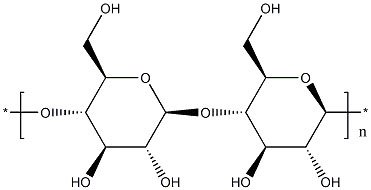
The chemical structure of microcrystalline cellulose

Microcrystalline cellulose (MCC) is a type of cellulose processed through specific techniques. It is derived from alpha-cellulose obtained from plant fiber materials, which is partially depolymerized through reaction with mineral acids. This process isolates specific segments of the cellulose molecule into a powder, resulting in a highly purified substance.

In the food industry, microcrystalline cellulose enhances texture, mouthfeel, and stability. It’s a safe alternative to modified celluloses, though potential allergies should be noted.

MCC in the Food and Beverage

Microcrystalline cellulose is utilized in diverse ways across various foods and beverages. The table below shows common applications.
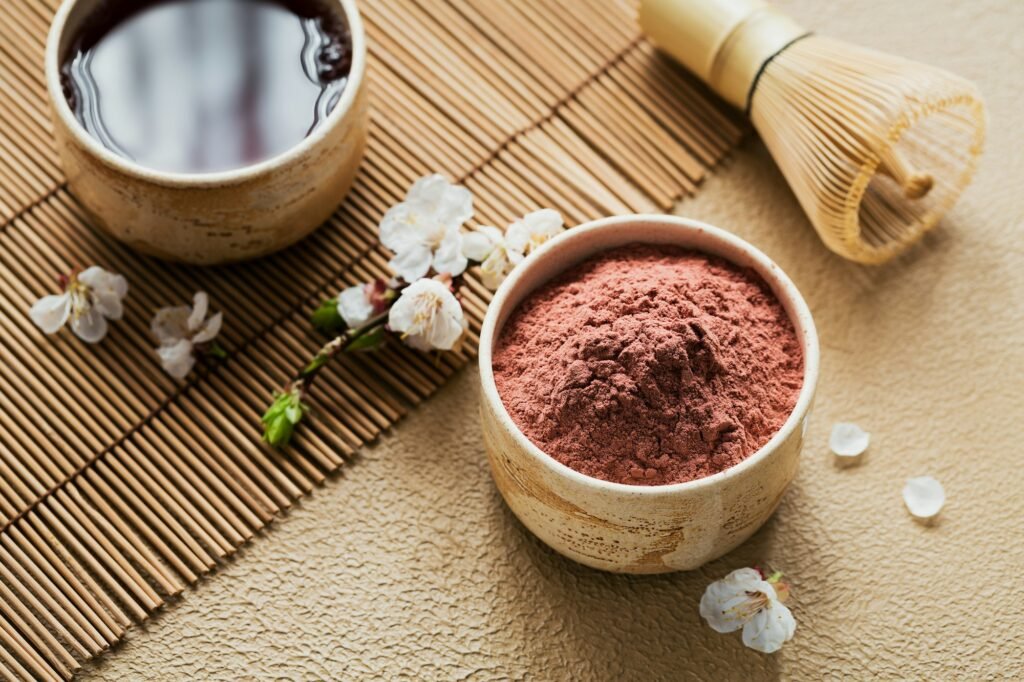
Powdered Foods

Organic Color powder tea Matcha

Microcrystalline cellulose serves as a bulking agent, anti-caking agent, viscosity modifier, thickening agent, and emulsifier in various food and beverage products.
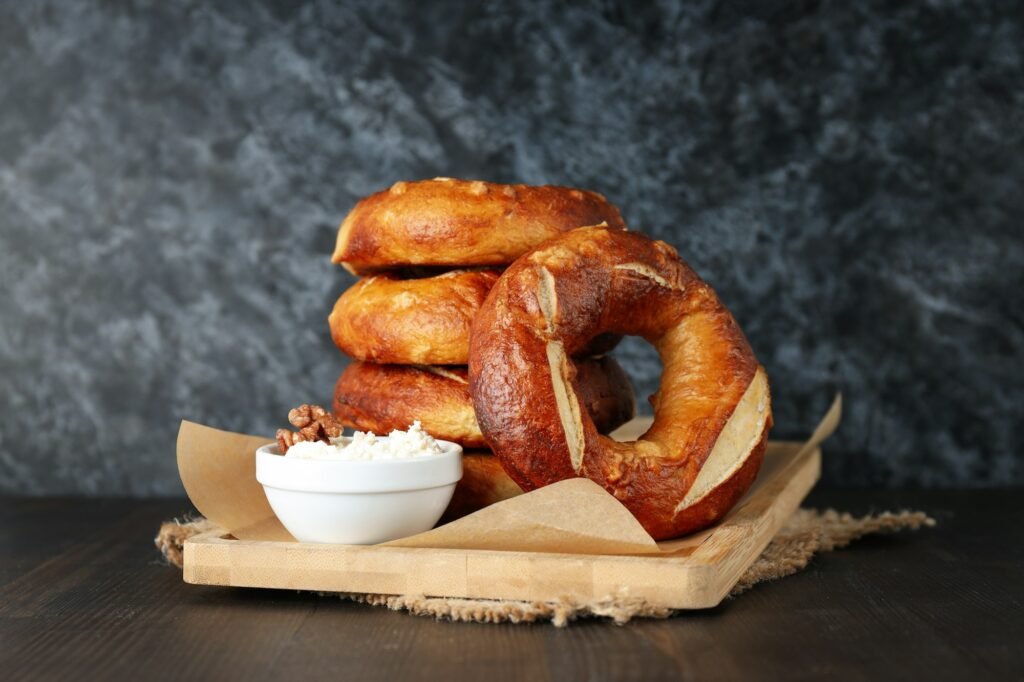
Bakery

Concept of tasty food - bagel, tasty bakery products

Microcrystalline cellulose (MCC)is commonly used in various baked goods as a filler, anti-caking agent, viscosity regulator, thickening agent, and emulsifier.
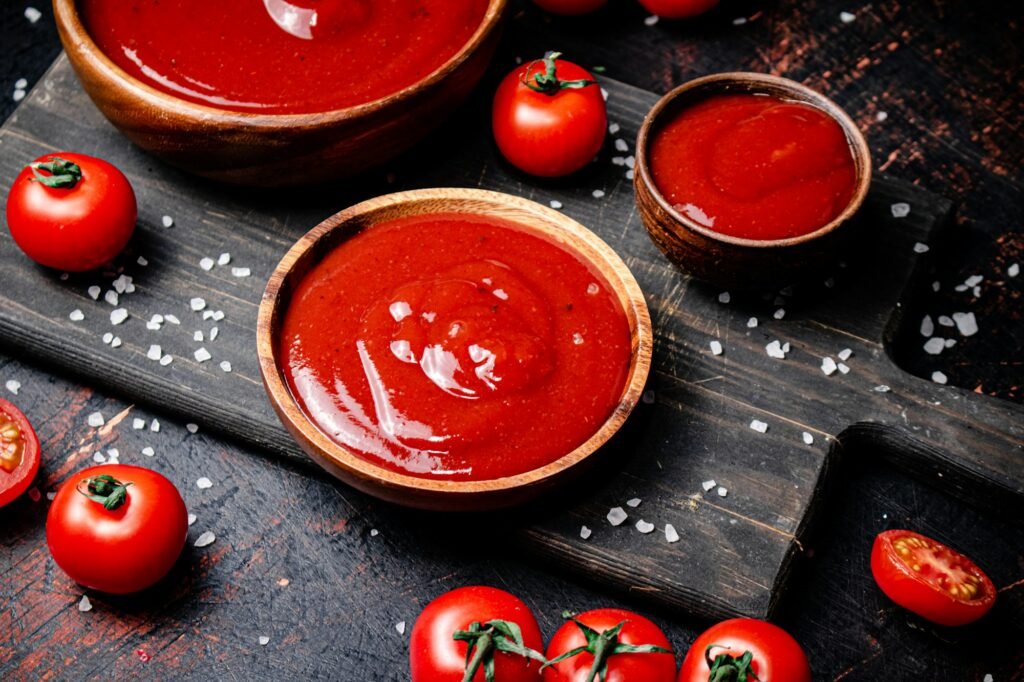
Convenience Foods

Tomato sauce on a wooden cutting board with pieces of salt.

Thickening agents and emulsifiers are key in sauces and jams. They enhance texture and consistency, while emulsifiers mix oil and water, improving stability and taste.

Dairy

Various types of cheese and snacks

Anti-caking agents prevent clumping, bulking agents increase volume, viscosity modifiers adjust thickness, anti-crystallizing agents prevent crystal formation

SDS TDS Documents & Product Grades

*Regulation & Compliance :Registrations may vary depending on local regulations.

M‌CC PH-101‌ Microcrystalline Cellulose

PH-101 (Fine Powder for Direct Compression / Wet Granulation): D50 ≈ 50 μm, degree of polymerization ≈ 270–280, relatively low bulk density, and excellent compressibility. Ideal for applications requiring high tablet hardness at low compression pressures.

MCC ‌PH-102‌ Microcrystalline Cellulose

PH-102 (Standard Grade for Direct Compression): D50 ≈ 80–110 μm, degree of polymerization ≈ 266–278, angle of repose ≈ 35.2°, and Carr’s Index of 22.5%. Offers a good balance of powder flowability and tablet compactibility, with excellent batch-to-batch consistency.

MCC ‌PH-112‌ Microcrystalline Cellulose

PH-112 (Low-Moisture Grade): Degree of polymerization ≈ 278, loss on drying (LOD) of 0.3–0.6%. Specifically designed for moisture-sensitive pharmaceutical formulations, with a high degree of polymerization ensuring excellent compressibility under low-moisture conditions.

MCC ‌PH-200/UF-702 Microcrystalline Cellulose

PH-200/UF-702 (High-Speed Direct Compression Grade): D50 ≈ 180–200 μm, degree of polymerization ≈ 260–275. Features a nearly spherical, porous particle structure with exceptional powder flowability. Ideal for high-speed tablet compression applications exceeding 30,000 tablets per hour.

MCC PH-301/302 Microcrystalline Cellulose

PH-301/302 (High-Density Grades): PH-301 features a bulk density of 0.35–0.50 g/mL, while PH-302 has a bulk density of approximately 0.43 g/mL. Designed for formulations containing high-dose or high-density active pharmaceutical ingredients (APIs), offering improved powder filling performance and greater control over die filling during tablet compression.

MCC KG-802 Microcrystalline Cellulose

KG-802 (Orally Disintegrating / Difficult-to-Compress Formulations): Features a fibrous particle structure, achieving a tablet friability of less than 0.2% at compression forces of ≤5 kN. Enables rapid tablet disintegration while protecting pressure-sensitive active pharmaceutical ingredients (APIs).

MCC KG-1000 Microcrystalline Cellulose

KG-1000 (Ultra-High Compactibility / Liquid Adsorption Grade): Features exceptionally long fibrous particles with a water absorption capacity of 410%. Enables tablet formation at compression forces of ≤4 kN. Ideal for solid dosage formulations containing liquid active pharmaceutical ingredients (APIs) and applications requiring extremely low compression pressures.

Need more support ?

If you require any assistance or have questions, please feel free to reach out to our technical team for support.

CONTACT US

Get free samples, and quote information