Industrial Grade · Construction Chemistry

Calcium Formate — the early strength accelerator that cuts cement setting time by up to 40%.

A high-purity (≥98%) non-chloride calcium salt of formic acid that pushes early hydration forward, tightens setting windows, and keeps dry-mix performance stable from batch to batch — even in cold-weather pours.

98%
Minimum purity
+40%
24-hour strength gain
5°C
Cold-weather threshold
40+
Countries supplied
The problem

Losing 6–12 hours per pour waiting for mortar to gain strength?

Cold-weather job sites and tight construction schedules punish formulators who haven't dialed in the right early strength accelerator.

You're not alone. That's where industrial grade Calcium Formate earns its keep — a high-purity calcium salt of formic acid that pushes early hydration forward, tightens setting windows, and keeps dry-mix performance stable from batch to batch.

At typical dosages of 0.5%–2% by cement weight, it speeds up C3S hydration, raises 24-hour compressive strength, and improves performance in temperatures as low as 5°C — without corroding rebar the way calcium chloride does.

Below, we walk through how the chemistry actually works, where it pays off — tile adhesives, dry mix mortar, self-leveling, repair mortar — the technical specs that matter, dosage guidance pulled from real formulation work, and the procurement details distributors and dry-mix manufacturers ask about most.

The chemistry

What exactly is Calcium Formate, and why do formulators choose it?

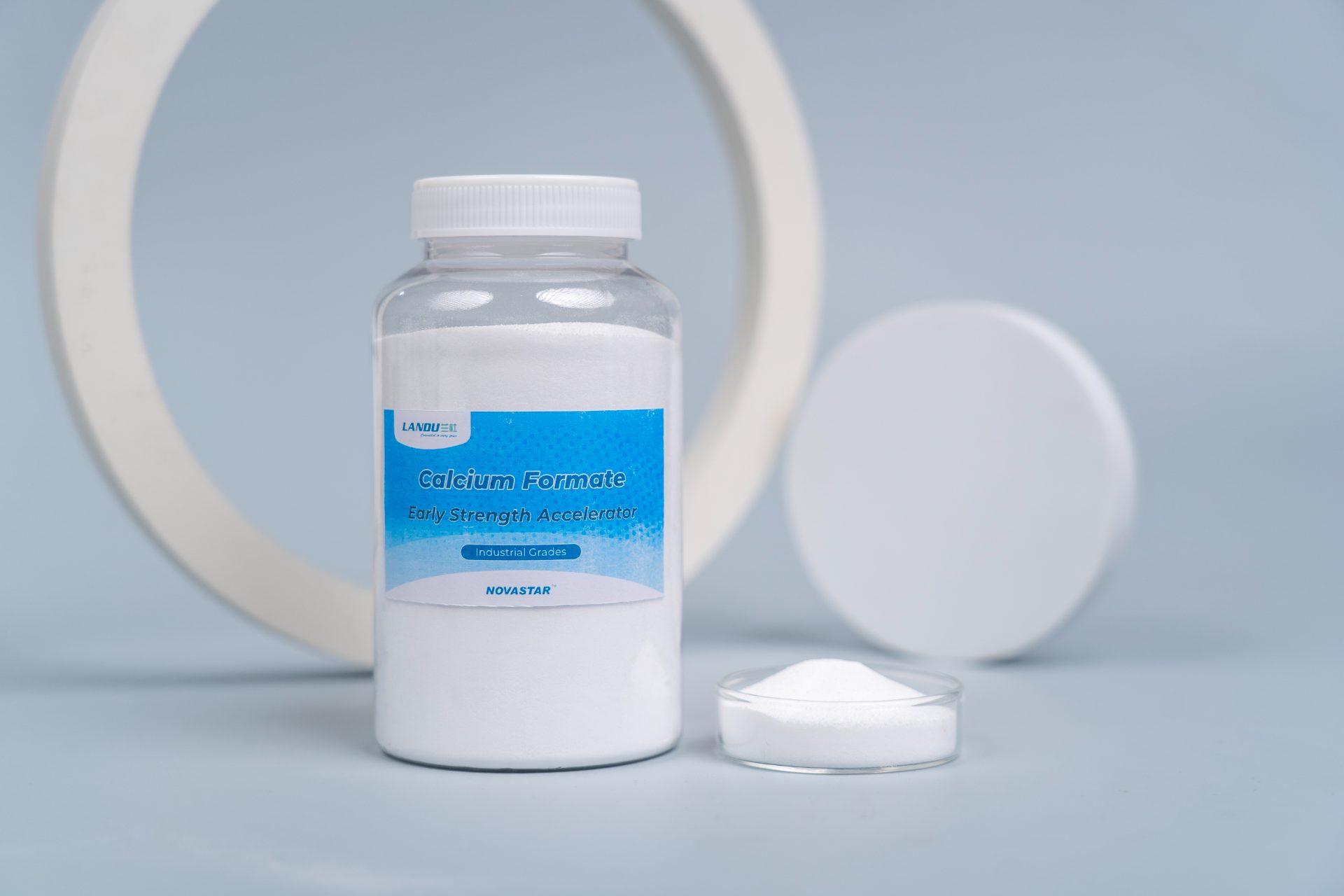
Calcium Formate Ca(HCOO)₂ is the calcium salt of formic acid — a fine, white, free-flowing crystalline powder that dissolves readily in water and carries a near-neutral pH (6.0–8.0 in 10% solution).

In cement chemistry, it functions as a non-chloride accelerator, meaning it speeds up early hydration without introducing chloride ions that attack steel reinforcement.

That single difference matters. Calcium chloride was the cheap workhorse for decades, but the construction industry moved away from it for any application near rebar, post-tensioned cables, or prestressed concrete. Calcium Formate filled that gap.

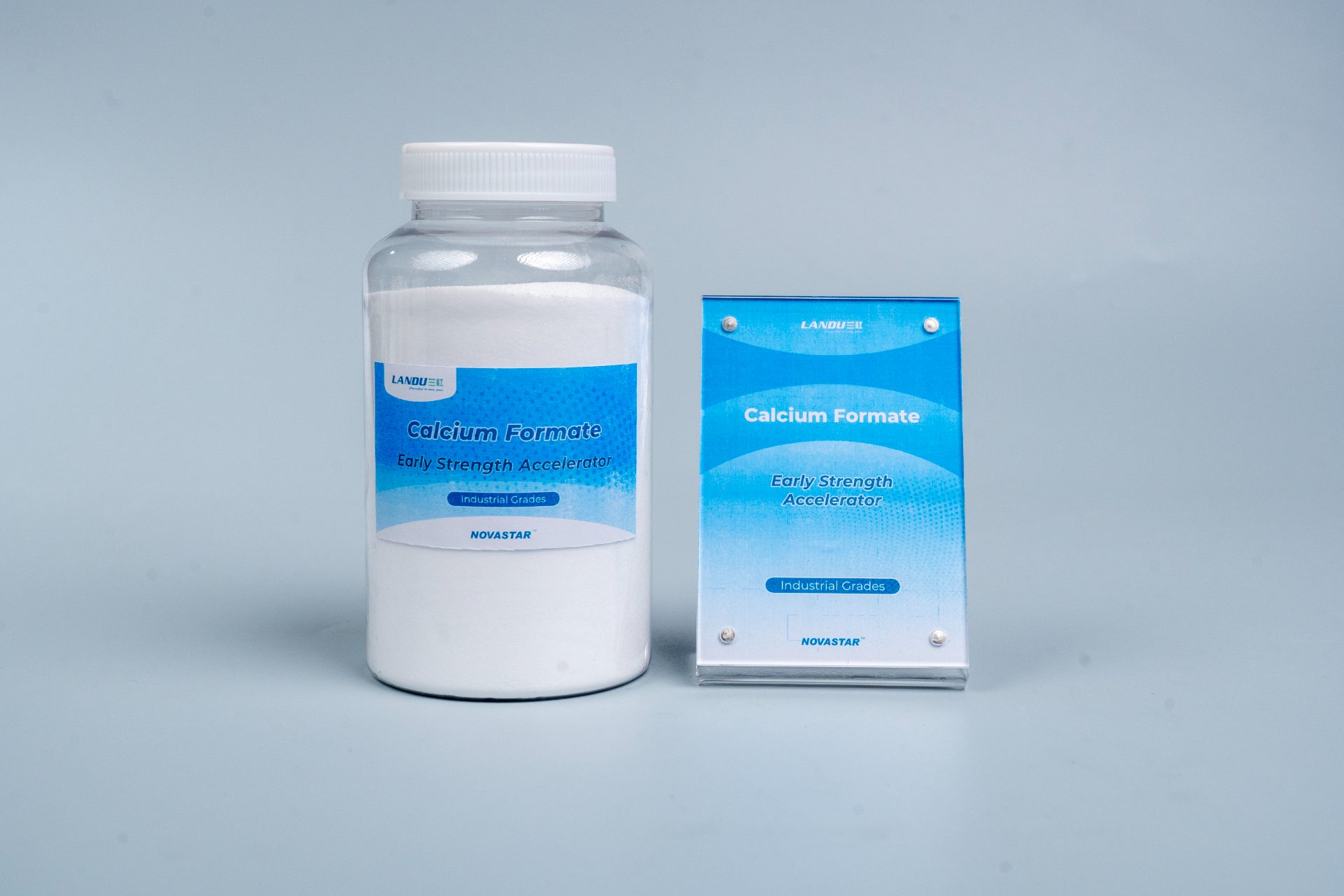
White crystalline calcium formate powder
Appearance
Fine white crystalline powder · ≥98% purity · pH 6.0–8.0

How does it accelerate cement hydration?

The mechanism is straightforward but worth understanding. Calcium Formate increases the concentration of Ca²⁺ ions in the pore solution, which speeds the dissolution of tricalcium silicate (C3S) — the mineral responsible for most of cement's early strength. The formate anion also catalyzes the formation of C-S-H gel, the binding phase that gives hardened cement its structural integrity.

Translated into job-site reality: faster setting, higher 8-hour and 24-hour compressive strength, and meaningful gains in cold conditions where ordinary Portland cement crawls.

What does that look like in numbers?

From Construction and Building Materials (2023) and field results across European dry-mix producers

+25–40%
24-hour compressive strength versus the control mix
−30–50%
Initial setting time at 1.5% dosage
5°C ≈ 20°C
Early strength at low temp matches control at room temp
28d ✓
Final strength maintained or slightly improved
Where it pays off

Where does Calcium Formate actually pay off — and where it doesn't?

Not every cement system needs an accelerator. But for the formulations below, Calcium Formate often moves from "nice to have" to mission-critical.

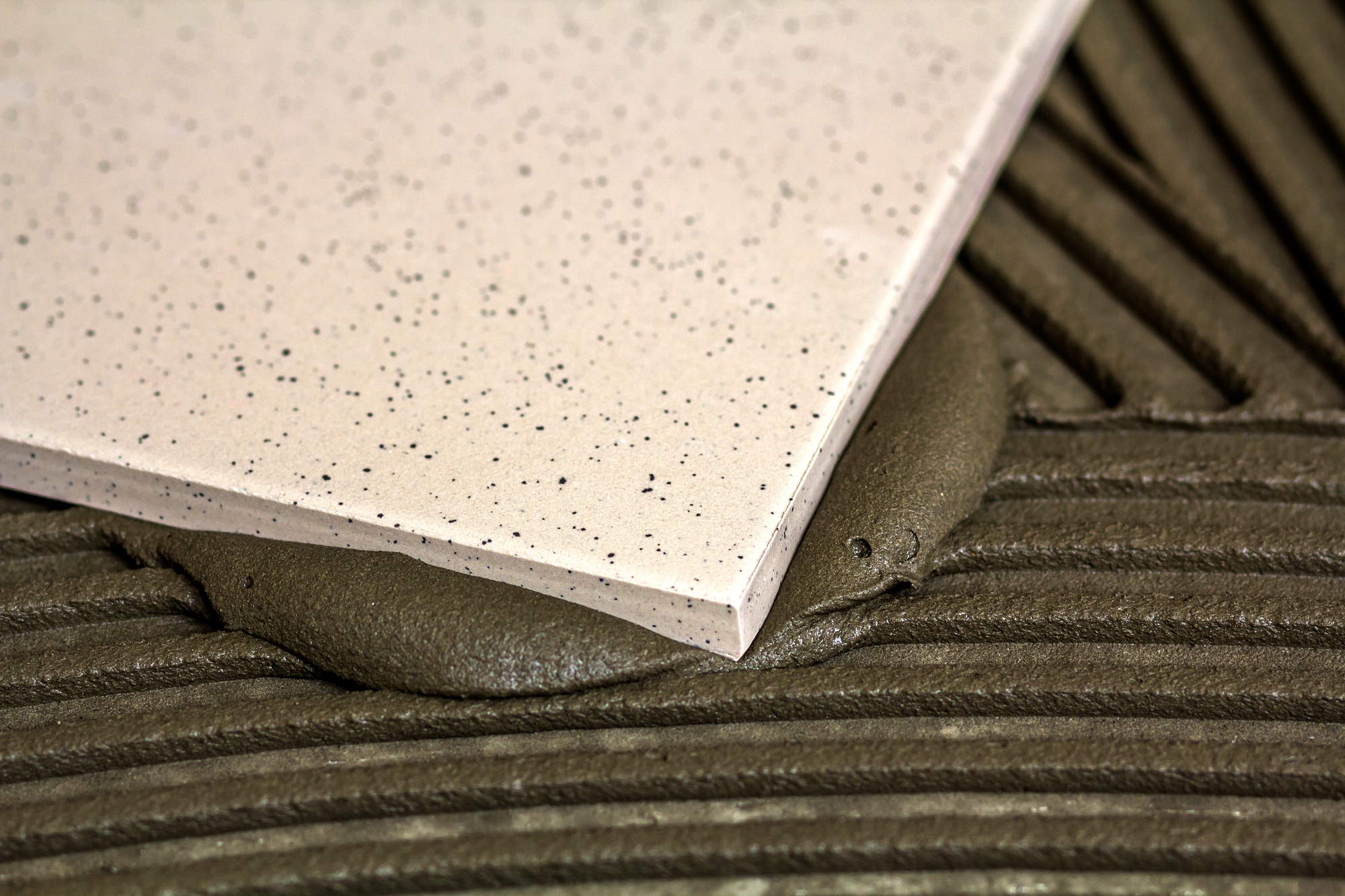
Tile adhesive application
01
EN 12004 · C1 / C2 systems

Tile adhesives — faster grout-ready time

In C1 and C2 cement-based tile adhesives, early bond strength is the metric customers actually feel. Tilers want to grout the same day. Builders want to walk on floors within 24 hours.

Dosed at 0.5%–1.5% of cement weight, Calcium Formate lifts 6-hour and 24-hour pull-off strength meaningfully. Formulators have cut their grout-ready window from 24 hours down to 8–12 hours just by adding 1% alongside their RDP.

  • Boosts early shear adhesion on porous and non-porous tiles
  • Compatible with HPMC, HEMC, and RDP without flocculation
  • Doesn't compromise open time at correct dosage
  • Works in C1, C2, C2TE, C2FT, and C2S1/S2 systems
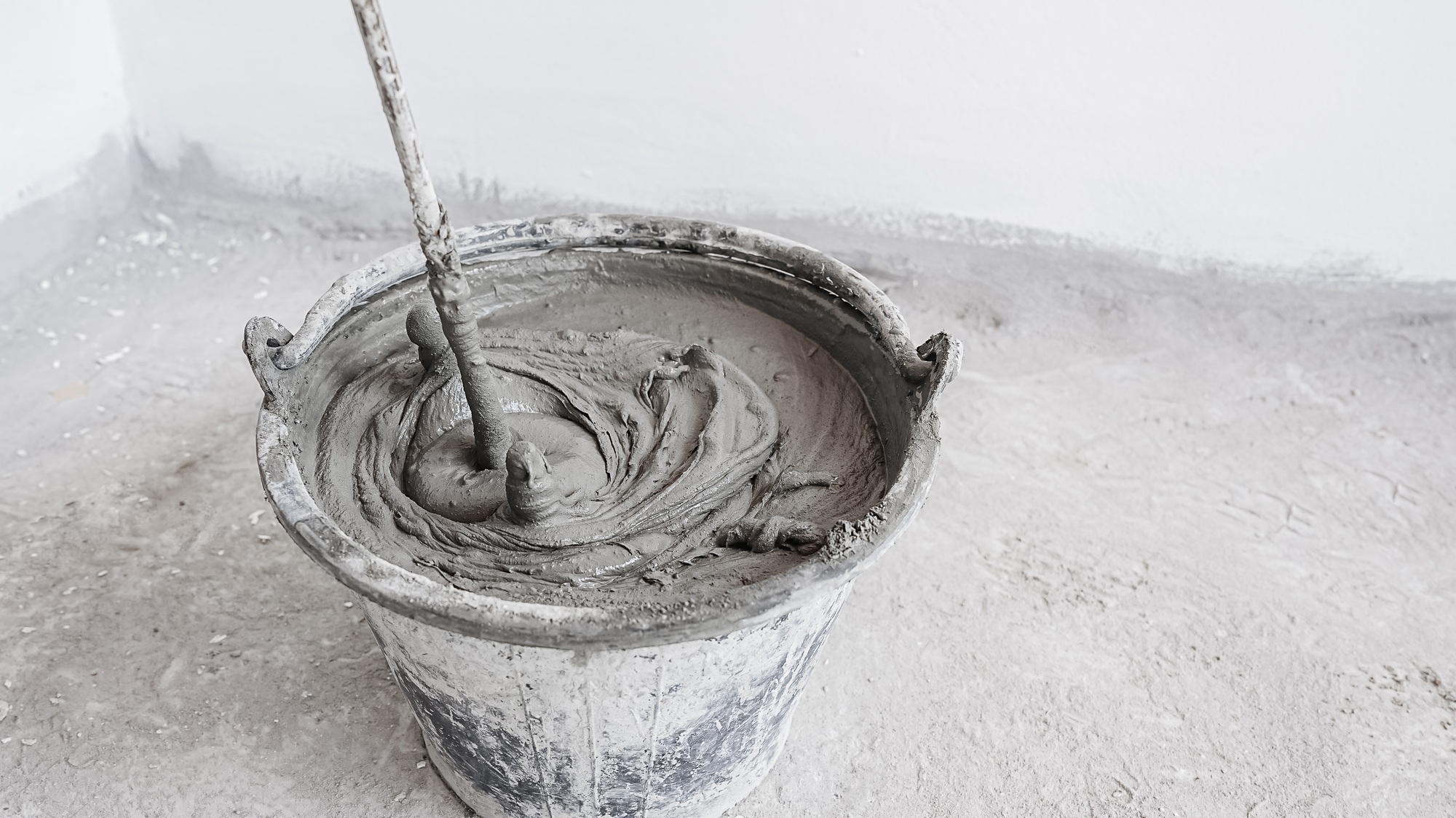
Dry mix mortar industrial production
02
Industrial production

Dry mix mortar — stable production, predictable site performance

Industrial dry mix mortar lives or dies on batch-to-batch consistency. A purity swing of even 1% in your accelerator can show up as a setting-time difference on site — and that's the call your QC team doesn't want to take.

Industrial grade Calcium Formate at ≥98% purity, with controlled moisture (≤0.5%) and water-insoluble matter (≤1.0%), keeps that variability tight. It blends evenly during dry powder mixing, doesn't clump in humid storage, and stays inert with all common dry-mix additives.

Precast concrete plant
03
Precast · Cold pours

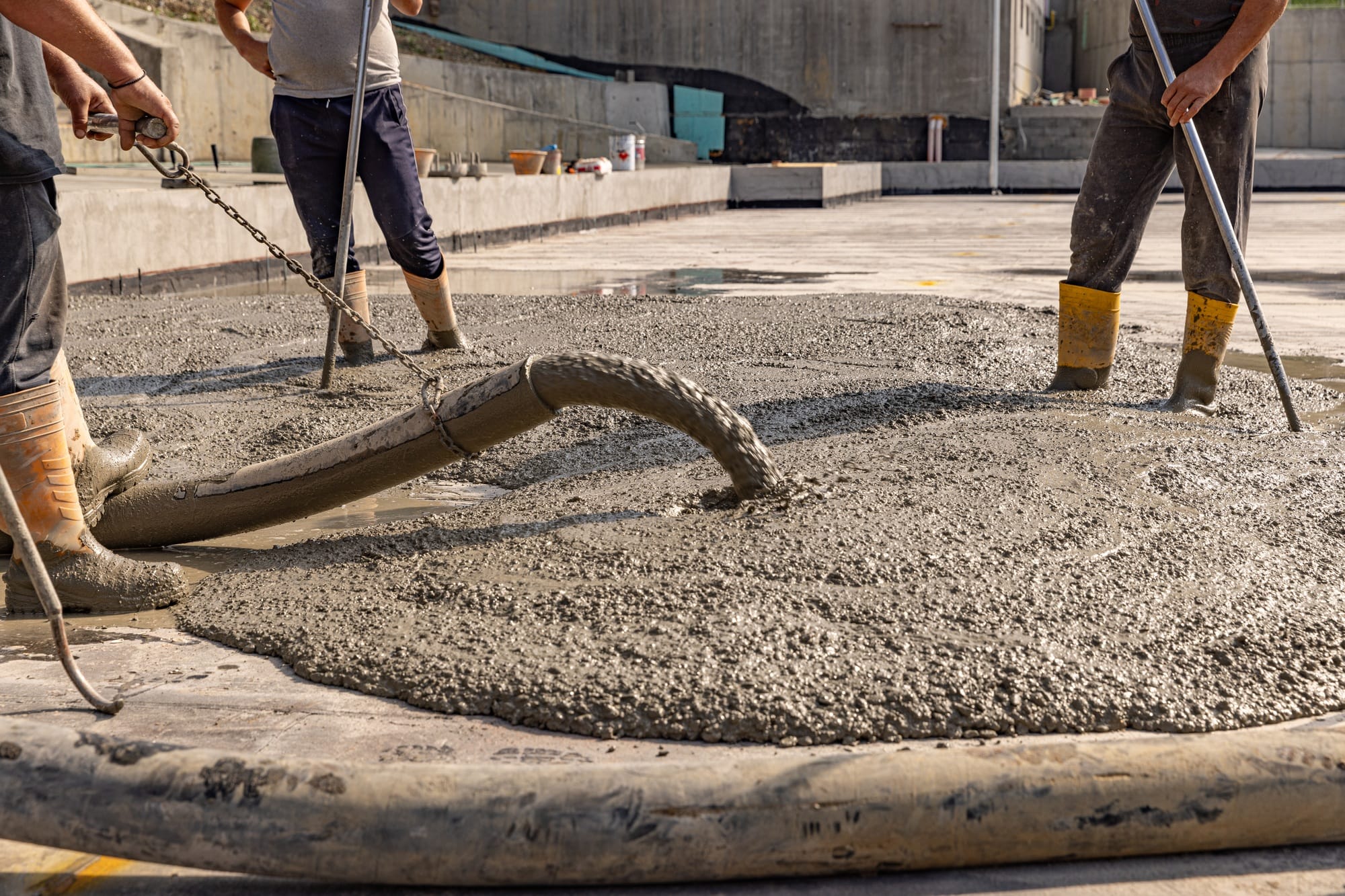
Concrete early strength admixture — faster demolding

Precast plants live by demolding cycles. Cut the demolding time from 16 hours to 10 hours and you've effectively added a third shift to your form turnover.

Often co-formulated with sodium thiocyanate, triethanolamine, or sodium nitrate, it gives precast and ready-mix producers a non-chloride path to those gains — particularly valuable for:

  • Precast elements with embedded steel
  • Winter pours between 0°C and 10°C
  • Self-compacting concrete needing rapid early stiffening
  • Shotcrete and repair concrete with same-day load
Self-leveling floor compound
04
Fast-track systems

Self-leveling, repair mortar & render

Anywhere "fast-track" appears in a spec sheet, Calcium Formate has a role. Repair mortars achieving traffic-ready strength in 4 hours. Self-levelers that take foot traffic in 3 hours. Cement plasters that don't sag in cool morning conditions.

The trick is dosage tuning — too much accelerator on a thin-section render and you'll see flash setting. We cover dosage ranges in detail below.

Quality specifications

What technical specifications should you look for?

Industrial grade isn't a marketing label. It's a defined specification that separates construction-grade Calcium Formate from feed-grade or lower-purity material that'll cause headaches in your QC lab.

ParameterIndustrial GradeWhy it matters
Calcium Formate Content≥ 98.0%Direct driver of accelerator activity per kg dosed
Calcium Content≥ 30.1%Confirms stoichiometric purity
Moisture≤ 0.50%Prevents caking; protects shelf stability
Water Insoluble Matter≤ 1.0%Avoids residue in clear systems and self-levelers
pH (10% aqueous)6.0 – 8.0Near-neutral; safe with standard binders
Lead (Pb)≤ 5.0 mg/kgHeavy metal compliance for construction chemicals
Arsenic (As)≤ 2.0 mg/kgEU REACH and global construction standards
AppearanceWhite crystallineVisual QC indicator
Final values should always be confirmed against the batch-specific TDS and COA. Custom grades — finer particle size, lower moisture, or tightened heavy metals — are available on request.
Formulation guidance

How much Calcium Formate should you actually add?

Honestly, this is the question we get most often. The honest answer is: it depends on your binder, your target performance, and your ambient temperature. But here's the working range pulled from real formulation files.

Laboratory formulation testing
ApplicationTypical Dosage (% of cement)Primary goal
Tile adhesive (C2 systems)0.5% – 1.5%Faster early bond strength
Dry mix mortar (general)0.5% – 2.0%Setting time control + early strength
Self-leveling compound0.3% – 1.0%Walk-on time reduction
Repair mortar1.0% – 3.0%Rapid traffic-ready strength
Concrete admixture (precast)1.0% – 2.0%Faster demolding
Cold-weather concrete (5–10°C)1.5% – 3.0%Offset slow hydration

Step-by-step formulation approach

STEP 01

Start at midpoint

Begin at the midpoint of the recommended range for your application.

STEP 02

Setting time test

Run a Vicat or penetrometer test at your standard temperature.

STEP 03

Compressive strength

Measure 24-hour and 28-day compressive strength against your control mix.

STEP 04

Adjust dosage

Adjust upward if early strength is short; downward if you see flash setting or workability loss.

STEP 05

Cold-temp re-test

Re-test at 5°C–10°C if your product will see cold-weather use.

STEP 06

Compatibility check

Validate with your full additive package — RDP, cellulose ether, defoamer, superplasticizer.

!

Common rookie mistake — dosing high "to be safe"

Above 3%, you'll typically see workability problems, accelerated stiffening that traps air voids, and diminishing returns on strength.

vs. other accelerators

Calcium Formate measured against the alternatives

AcceleratorChloride-freeEarly strength gainCold-weather useBest fit
Calcium ChlorideNOVery HighExcellentPlain concrete only (no rebar)
Sodium NitrateYESModerateGoodPlasticizer co-formulation
Triethanolamine (TEA)YESLow–ModerateLimitedGrinding aid + mild accelerator
Sodium ThiocyanateYESHighGoodOften co-dosed with formate

The non-chloride profile, near-neutral pH, and low heavy-metal content are why Calcium Formate became the default early strength accelerator across European and increasingly global dry-mix construction chemistry.

Real-world performance

What does real-world performance look like?

Field trial · Eastern Europe

Mid-sized dry-mix manufacturer fixes a winter complaint problem

They were running a standard C2TE tile adhesive and struggling with winter complaints — tilers in unheated job sites reporting weak 24-hour bond.

After adding 1.0% Calcium Formate to their formulation, the numbers spoke for themselves. Raw material cost increase: less than €0.04 per 25 kg bag.

That last number is the one procurement teams care about — one of the cheapest early strength accelerators per percentage point of strength gain on the market.

+69%
24h pull-off strength at 8°C
0.42 → 0.71 N/mm²
−41%
Initial setting time at 8°C
4h 15min → 2h 30min
≈ 0
Customer complaints
following winter season
€0.04
Raw material cost increase
per 25 kg bag
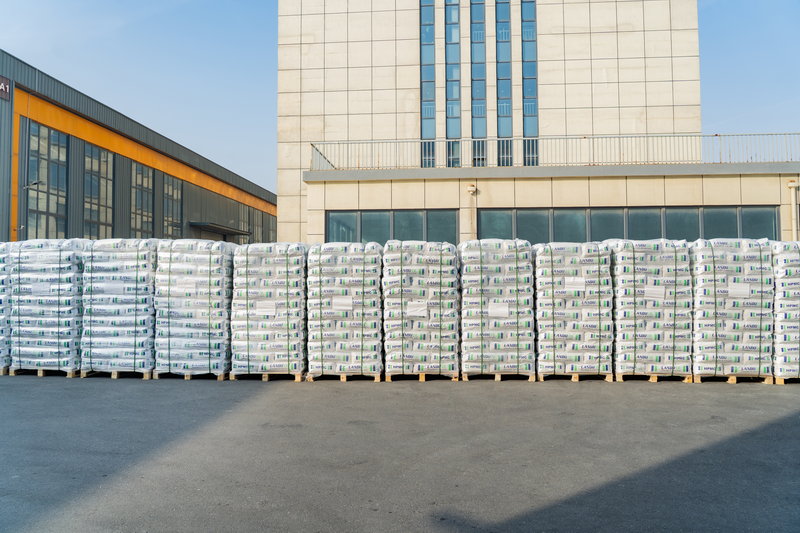
Warehouse storage of palletized chemical bags
Logistics & handling

How should you store and handle Calcium Formate?

Storage is unglamorous but it's where most quality complaints originate. Here's what works:

  • Keep it dry. Calcium Formate is hygroscopic — moisture above 1% causes caking and reduces flowability.
  • Store on pallets, off concrete floors, in well-ventilated warehouses.
  • Reseal opened bags within the same shift — overnight humidity shows up in QC.
  • Keep away from strong acids and oxidizing agents — incompatibility risk.
  • Shelf life: 24 months in original sealed packaging under recommended conditions.
  • Workplace safety: standard dust precautions (P2/N95 mask, safety glasses, gloves). Non-toxic but don't inhale dust.

Packaging options that match your operation

From 25 kg bags for manual lines to 1,200 kg jumbos for automated dosing.

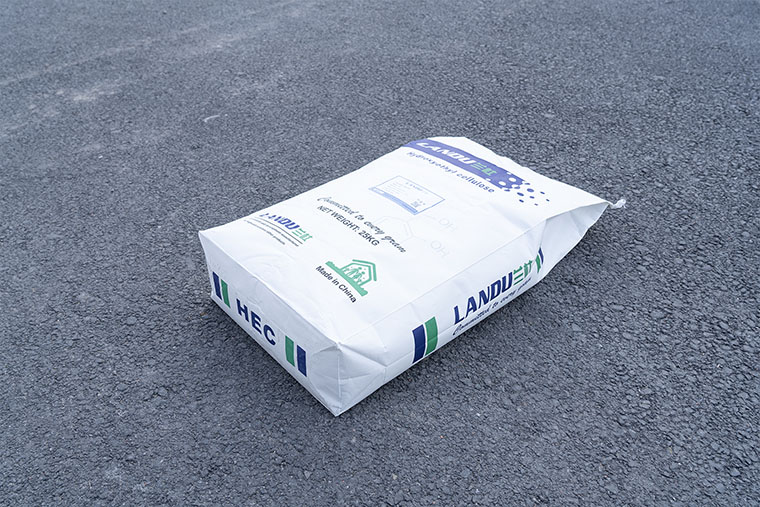
25 kg PE-laminated woven bags

25 kg PE-laminated woven bags

Distributors, smaller dry-mix lines, manual handling.

1200 kg jumbo FIBC bags

1,200 kg jumbo (FIBC) bags

Bulk dry-mix production with automated dosing systems.

Paper-plastic composite bags

25 kg paper-plastic composite

Premium retail and export markets requiring extra moisture protection.

Custom labeled packaging

Custom labeling & packaging

Private label, OEM, regional compliance requirements.

Sourcing through LANDU

Why source Calcium Formate through us?

Every supplier claims "high purity, stable quality, competitive price." That's table stakes, not a value proposition. Here's what actually separates a reliable Calcium Formate supplier from one that'll give you headaches.

01

Documented batch traceability

Every shipment ships with a COA tied to a specific production batch and retention sample.

02

Heavy metal compliance

EU REACH, US, and Middle East construction chemical standards — full panel on every COA.

03

Consistent particle size & bulk density

Your dry-mix dosing equipment doesn't need recalibration between shipments.

04

Logistics flexibility

20ft and 40ft container loading, FCA / FOB / CIF terms, with documentation handled cleanly.

05

Technical support

Formulation guidance, sample evaluation, and troubleshooting when your trial doesn't go as expected.

06

Proven globally

Tile adhesive manufacturers, dry-mix producers, and admixture compounders across 40+ countries.

FAQ

Frequently asked questions

What is Calcium Formate used for in construction chemistry?
Calcium Formate is a non-chloride early strength accelerator added to cement-based materials at 0.5%–3% of cement weight. It speeds up cement hydration, raises 24-hour compressive strength by 25%–40%, and improves performance in cold conditions. Common uses include tile adhesives, dry mix mortar, repair mortar, self-leveling compounds, and precast concrete.
Is Calcium Formate safe to use with steel reinforcement?
Yes. Unlike calcium chloride, Calcium Formate contains no chloride ions, so it doesn't accelerate corrosion of rebar, post-tensioned cables, or embedded steel. That's why it's the preferred non-chloride accelerator in reinforced and prestressed concrete applications throughout Europe, North America, and most global construction chemistry markets.
How much Calcium Formate should I add to tile adhesive?
For most C2-class cement-based tile adhesives, dosages between 0.5% and 1.5% by cement weight deliver meaningful early bond strength gains without compromising open time or workability. Always run a small lab trial first to confirm performance with your specific binder, RDP, and cellulose ether package before scaling up.
Does Calcium Formate work in low temperatures?
Calcium Formate performs particularly well in cold-weather construction. At dosages of 1.5%–3% in concrete and dry-mix mortar, it can bring early strength development at 5°C up to levels typically seen at 20°C with control mixes. That's why winter-grade tile adhesives and cold-weather repair mortars almost always contain it.
What's the shelf life of Calcium Formate?
Industrial grade Calcium Formate has a typical shelf life of 24 months when stored in original sealed packaging in a dry, cool, ventilated warehouse. Once opened, reseal bags promptly — moisture absorption is the single biggest cause of quality degradation and caking in real-world warehouse conditions.
Can I get a sample and a COA before placing a bulk order?
Yes. We provide free 500 g – 1 kg samples for laboratory evaluation, along with the corresponding COA, MSDS, and technical data sheet. Most customers run a 2–4 week lab trial before committing to first commercial volume, and our technical team can support that evaluation directly.
Get started

Industrial Grade Calcium Formate —
specs, sample, and quote.

Tell us your application and target performance, and we'll send back a TDS, COA, and pricing within 24 business hours. Samples ship the same week. Over 40 dry-mix manufacturers and admixture compounders source through us — we'll show you why.

Request sample & quote Download TDS

CONTACT US

Get free samples, and quote information